Strategic Product Leadership: Bridging Business, Design & Technology
Modern product development requires business, design, and technology teams to work together effectively. I specialize in getting organizations aligned, answering the big strategic questions upfront, and filling in operational gaps to ensure smooth product development toward clear goals that work for both the business and users—especially in complex environments like healthcare software and enterprise ecommerce platforms. This process saves significant time and resources by preventing costly rework and avoiding the decision paralysis that can stall projects for months.
Data-Driven Strategy Framework
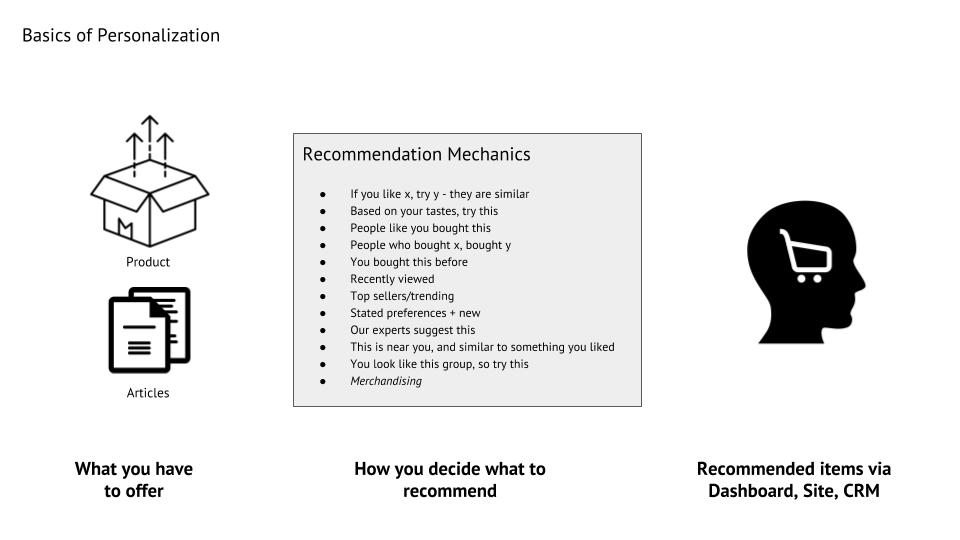
My approach to product strategy starts with systematically finding out what’s needed and where the gaps are, then using research and data to answer the questions we can answer, and creating methods for handling the uncertainty and surprises that always come up. I base all strategic work on what users actually need, what the business requires, what works in the industry, and real data—creating clear goals that help different teams work together effectively.
Strategy isn’t about creating a bunch of documents and moving on—it’s an ongoing process of learning, making informed guesses about what to build and who it’s for, and constantly checking those guesses against business goals and how people actually use the product. This approach was crucial for complex projects like the Nike Global Sales collaboration tools, where I had to balance what different stakeholders wanted with what was technically possible, adjusting the strategy as we learned more.
Workshop Leadership & Stakeholder Alignment
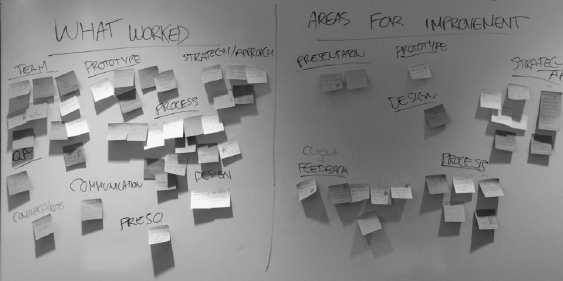
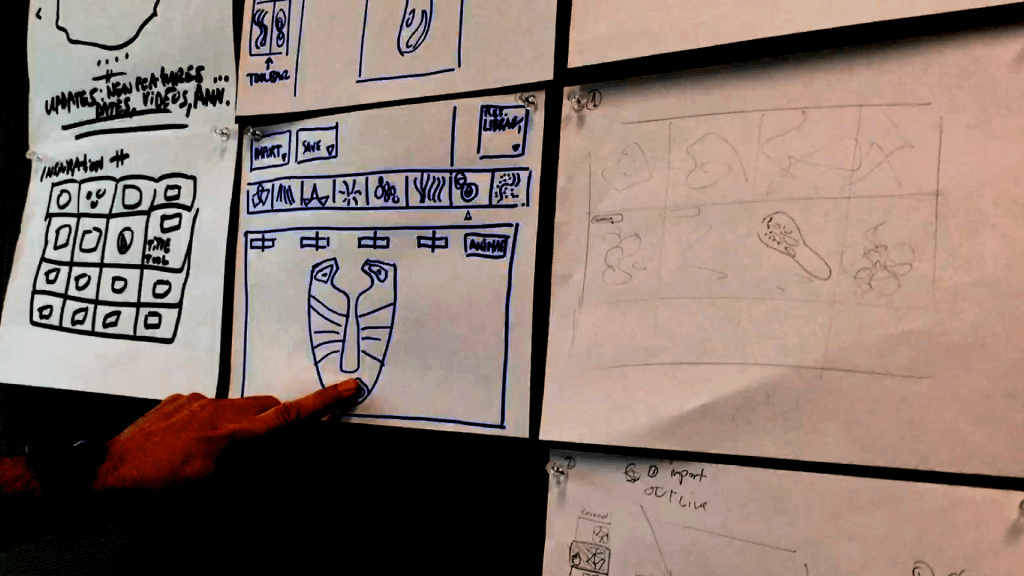
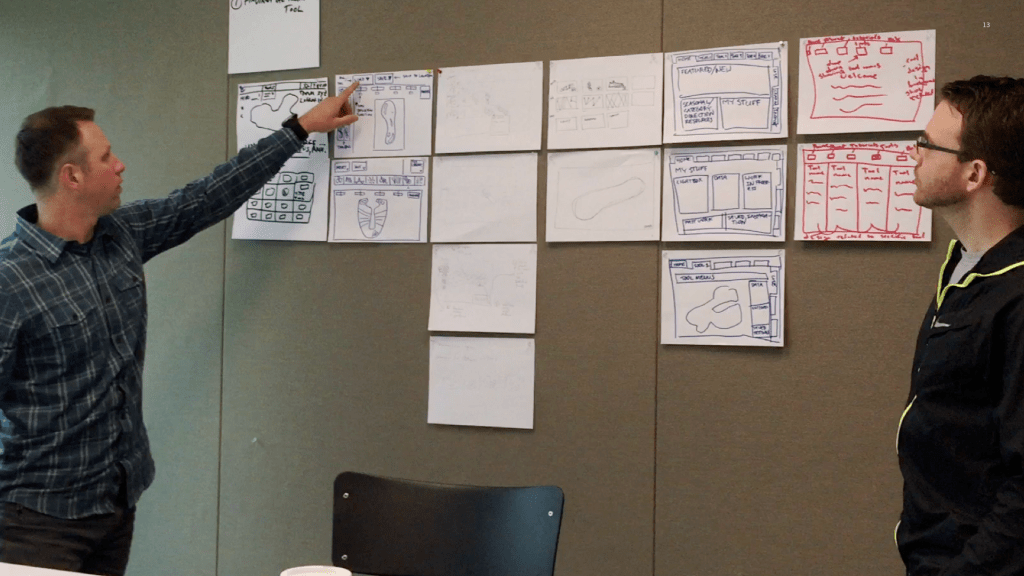
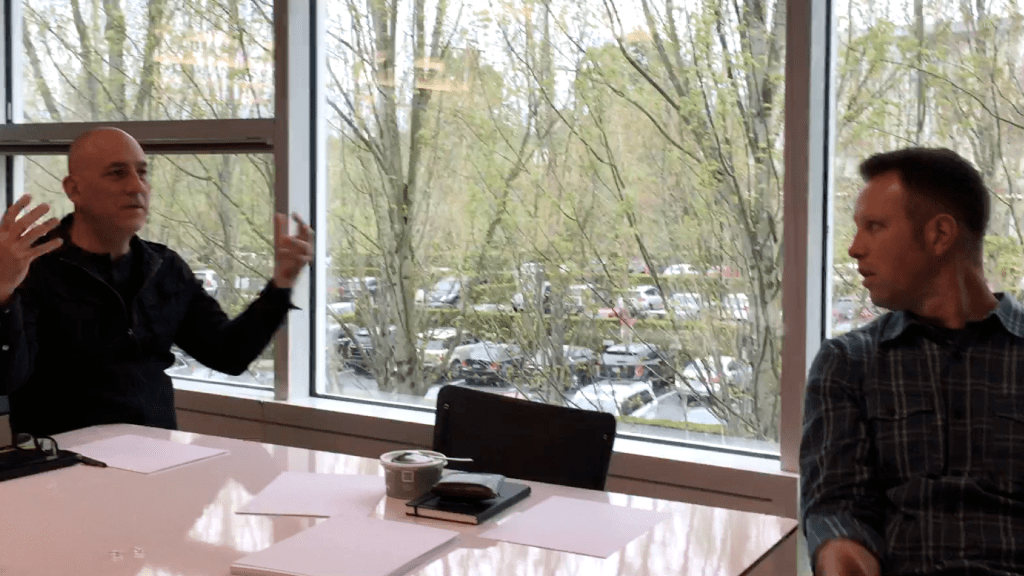
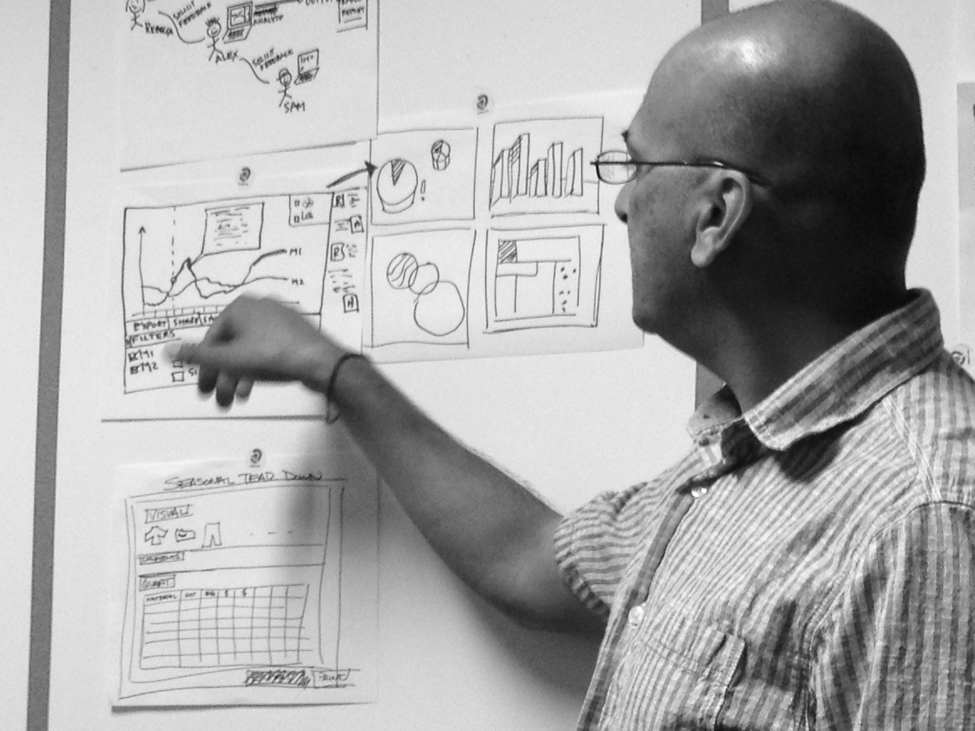
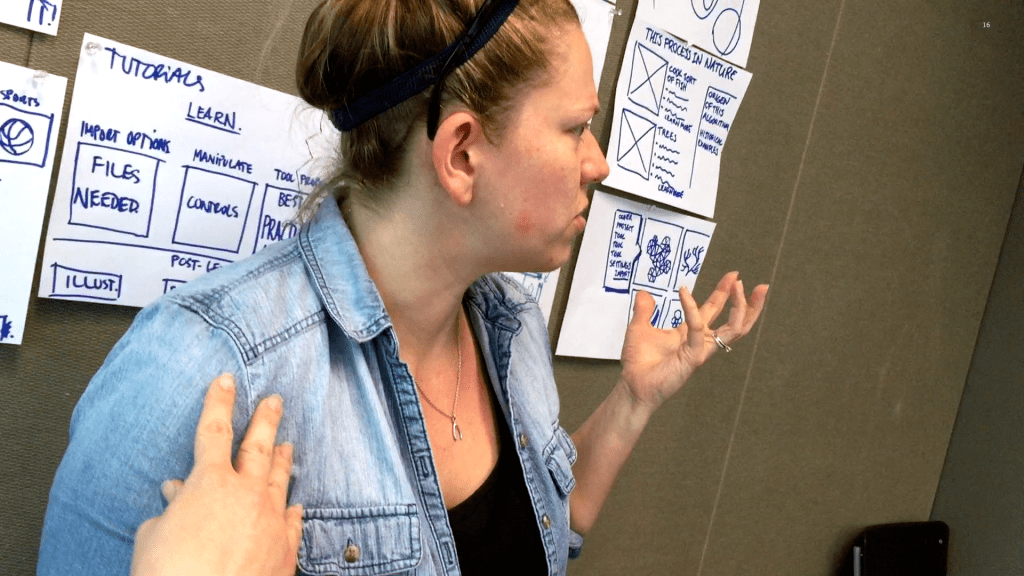
With over fifteen years of experience running strategic workshops, I know how to lead productive discovery sessions with both the people who will use your product and the business stakeholders who make decisions. These workshops help gather what’s actually needed, find new opportunities, figure out who your real users are, and get everyone aligned on the same goals. This is especially important when working with healthcare organizations that are hesitant about digital change or large companies with complicated requirements across different regions.


Audience Strategy & Research Integration
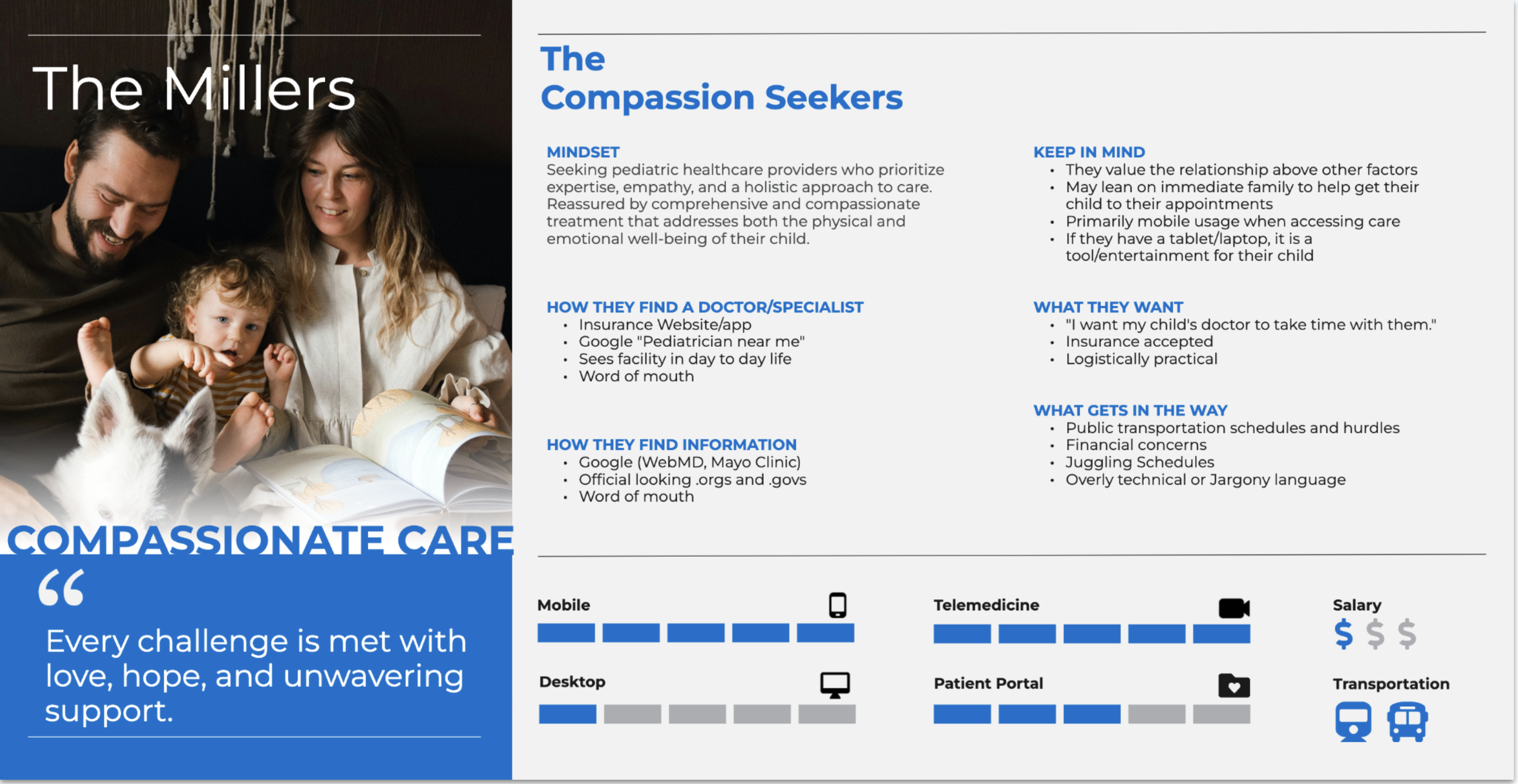
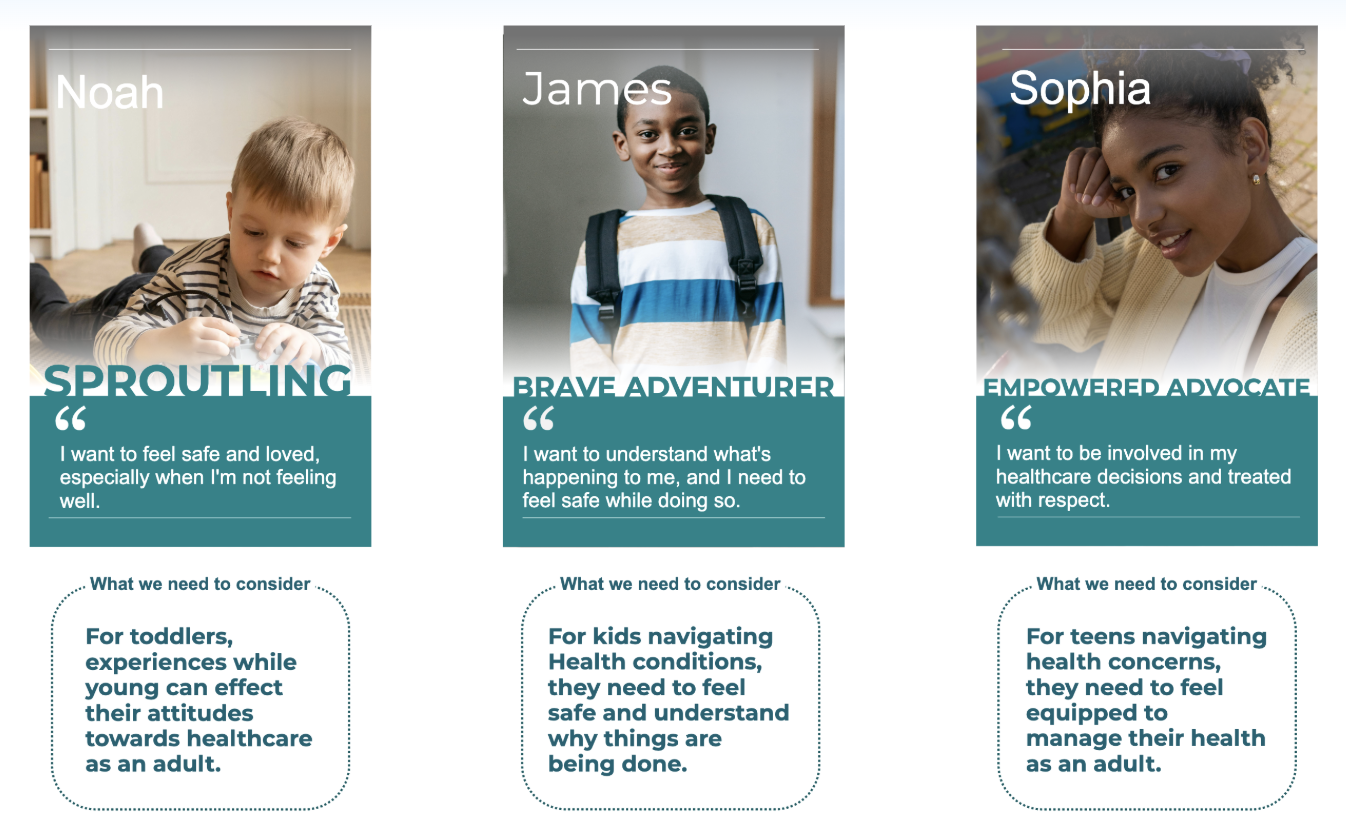
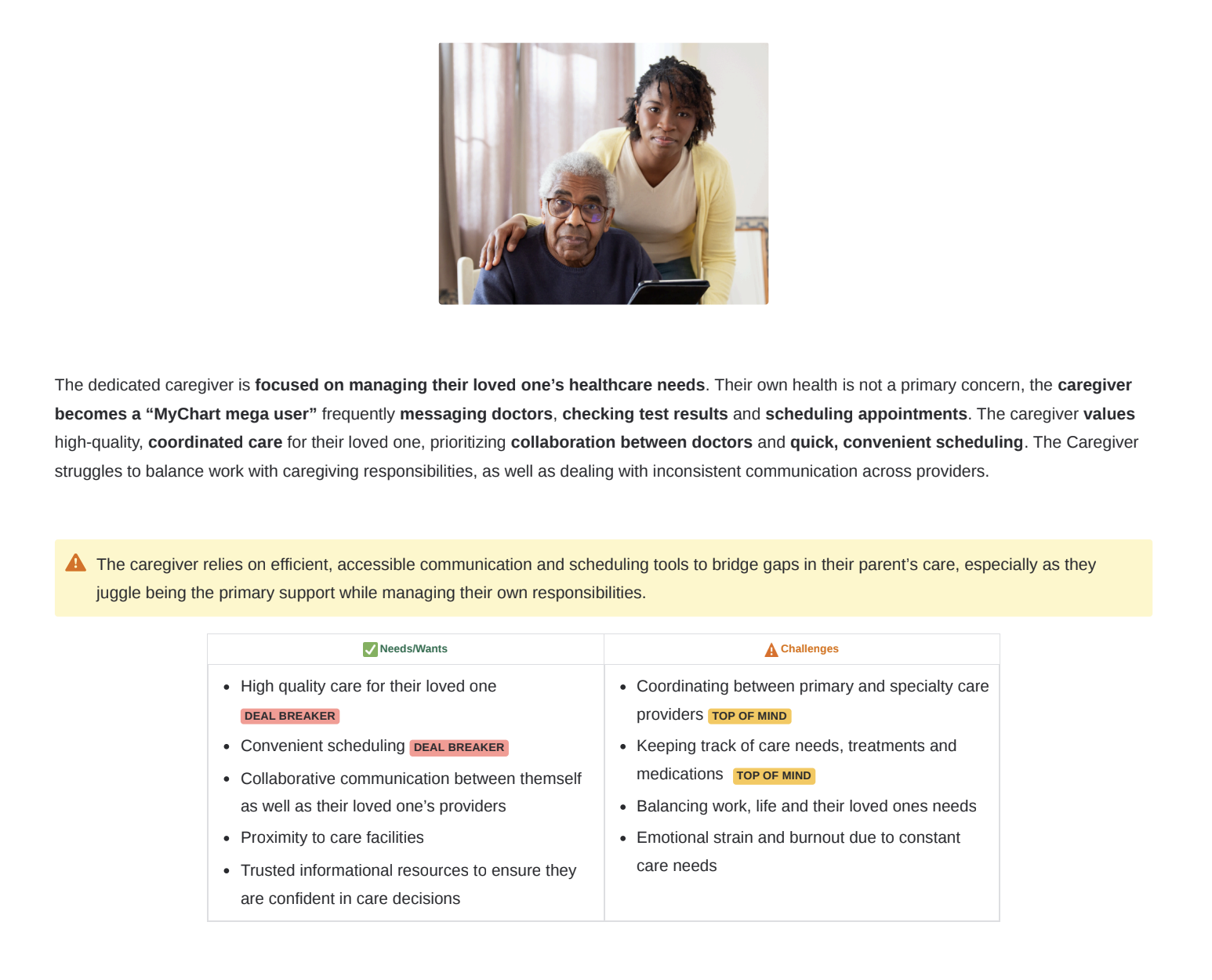
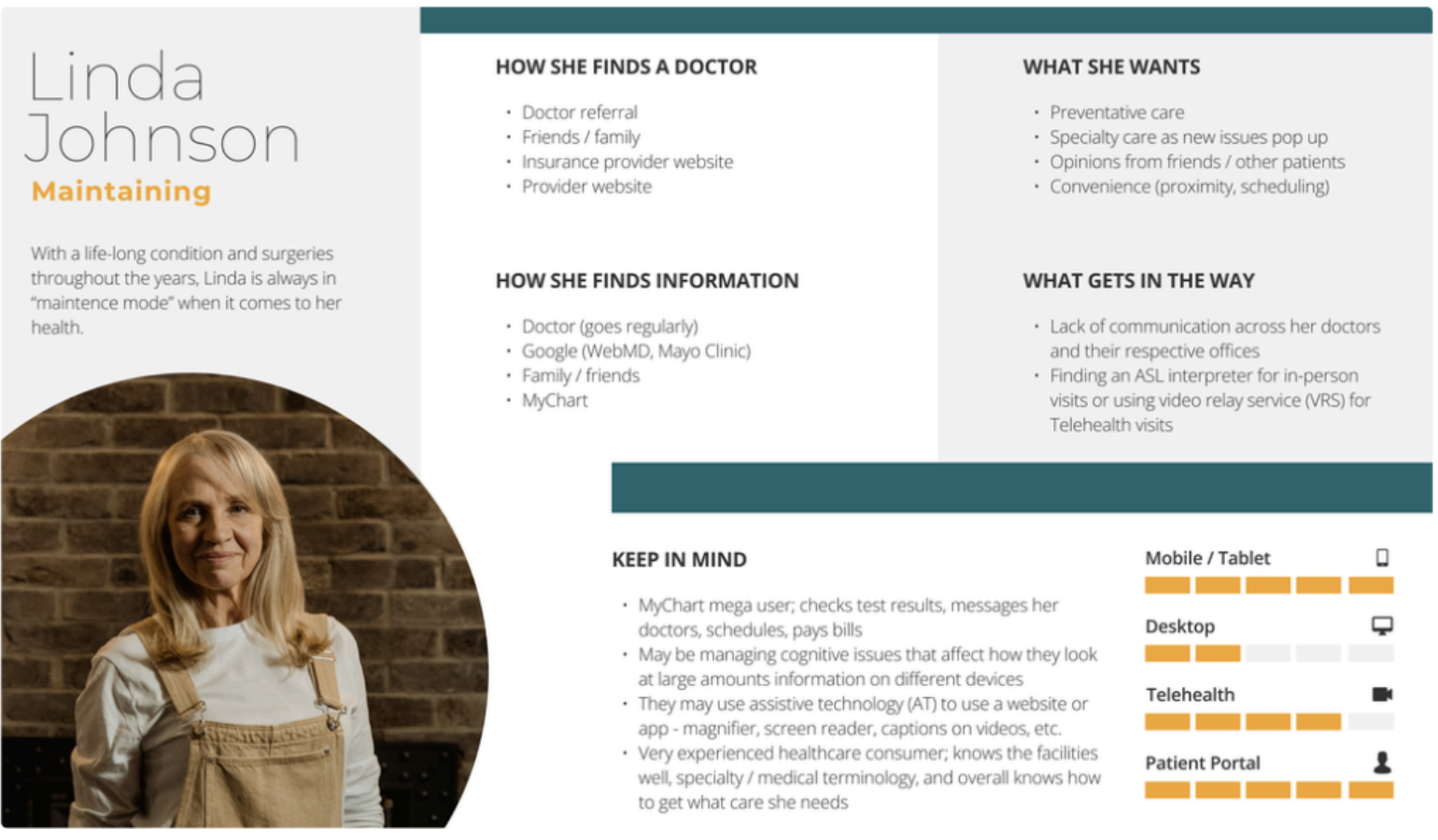
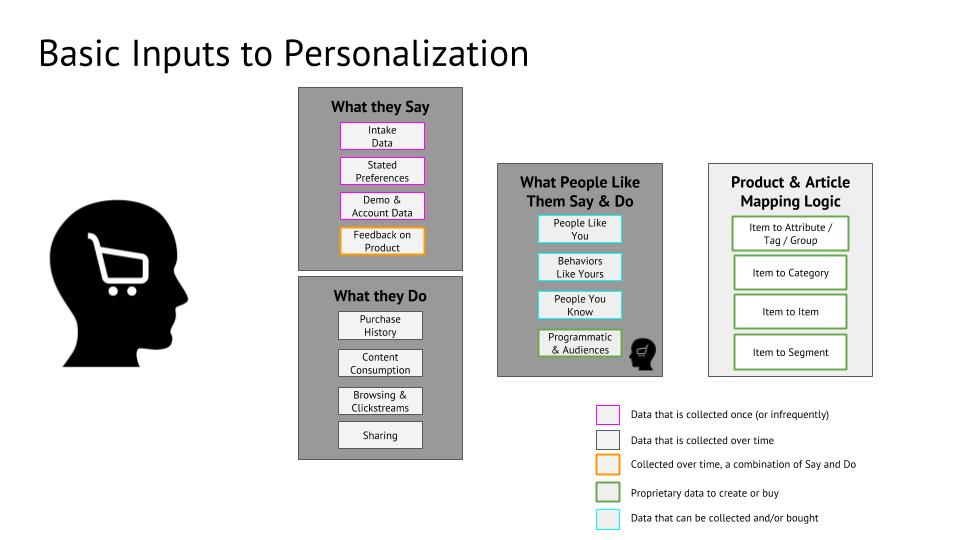
My approach to understanding users goes well beyond creating standard personas—it’s an ongoing process that grows with your product. I start by talking to your team about who they think your users are, then conduct formal research to test those assumptions, and after launch I analyze how people actually behave with your product. Your understanding of users should deepen as your product matures. This continuous learning approach has been especially important in healthcare, where strict regulations and clinical workflows create specific challenges that you can’t predict upfront.
Strategic Visualization & Business Design
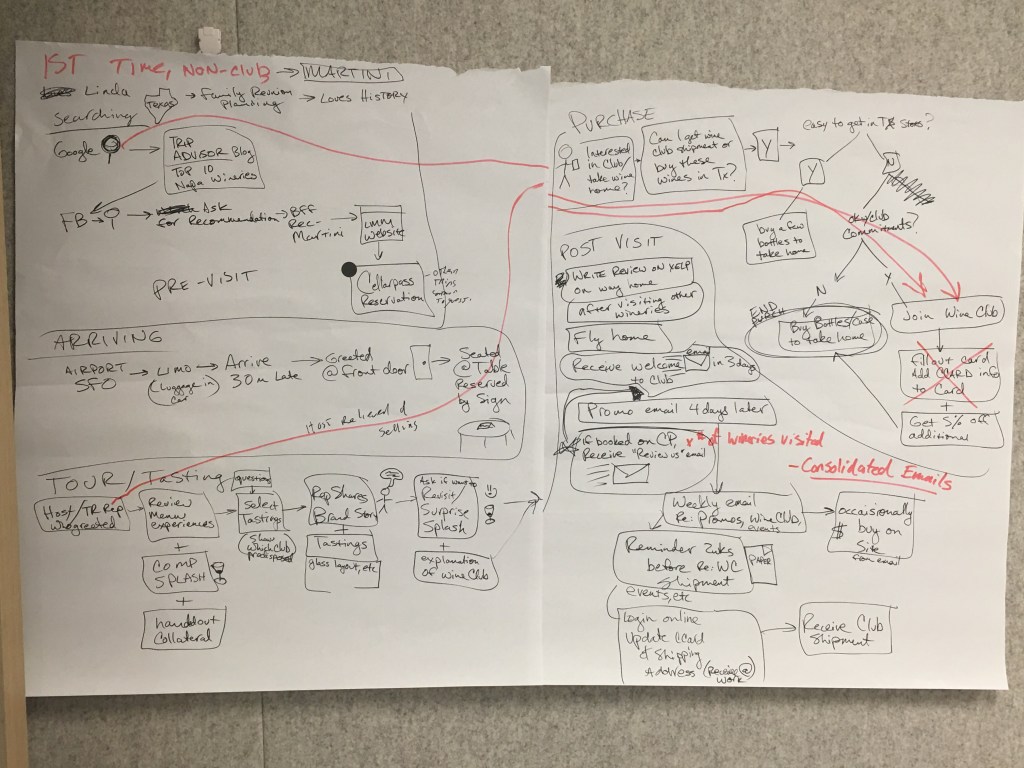
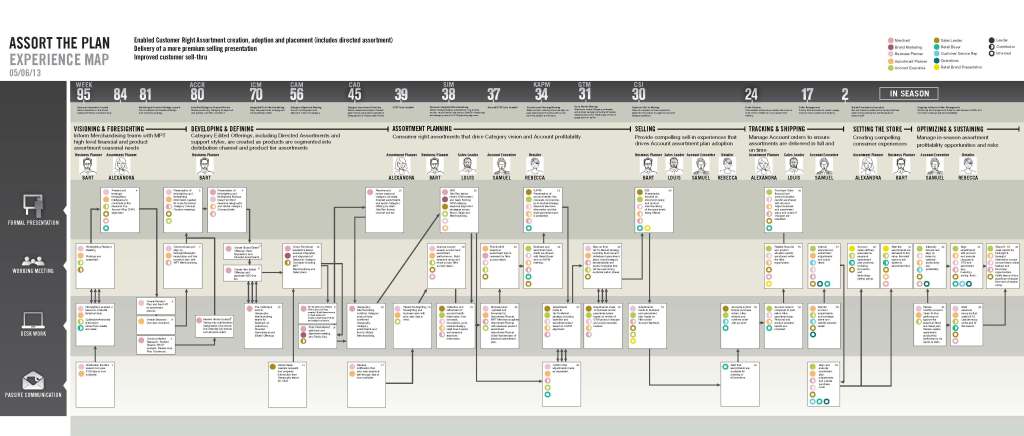
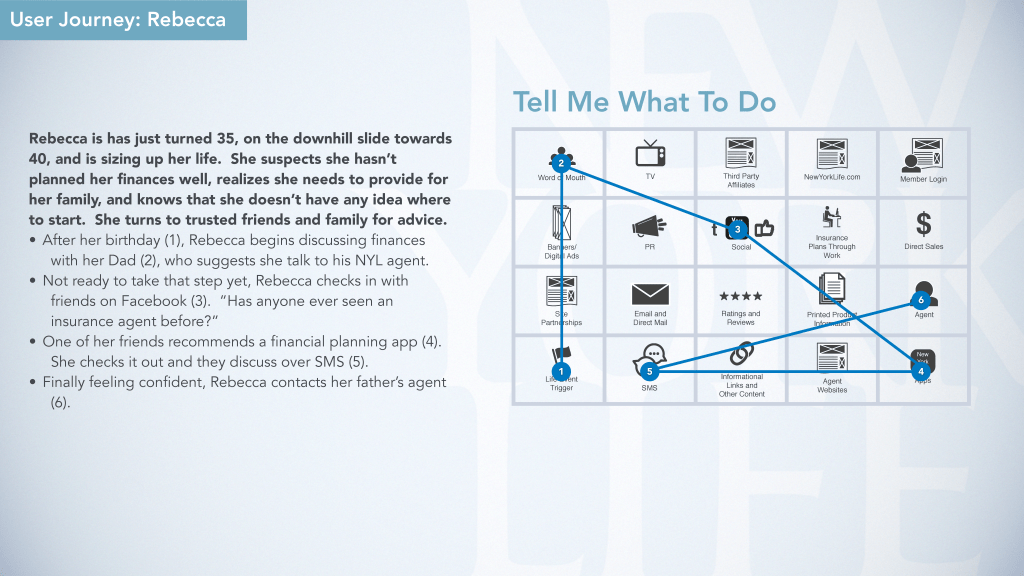
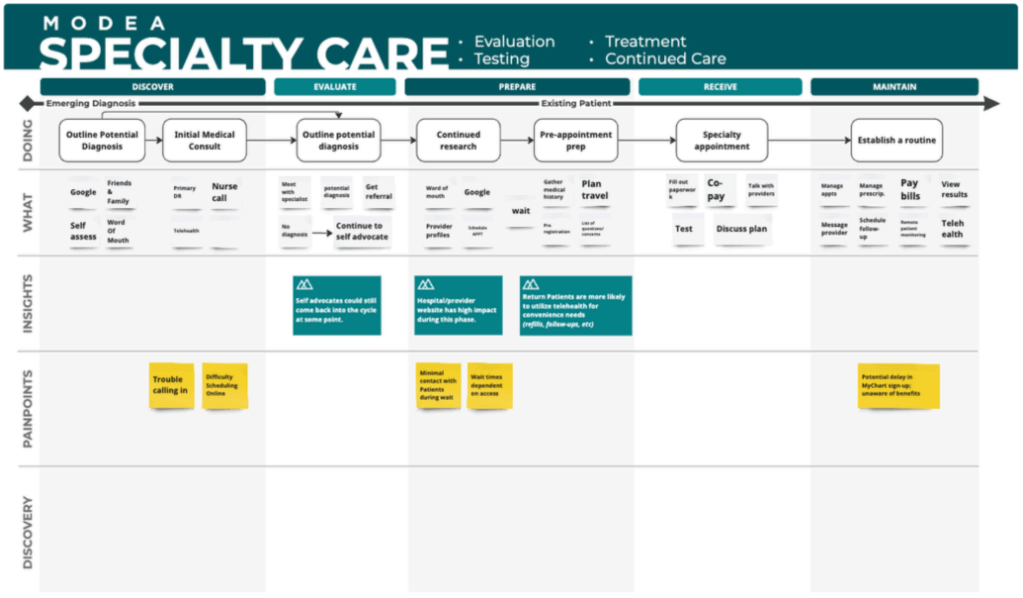
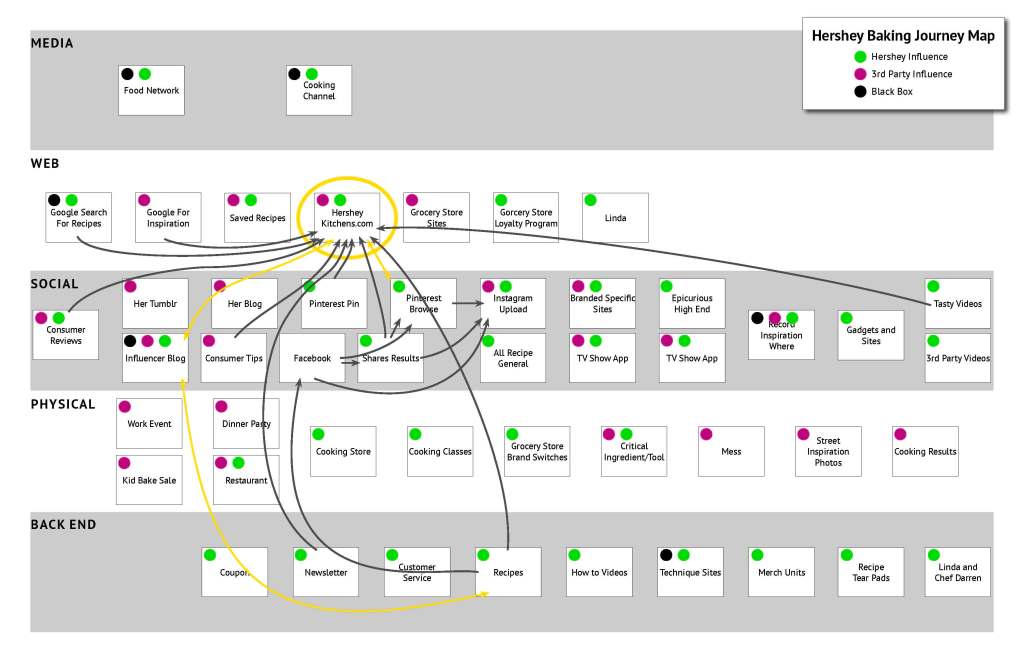
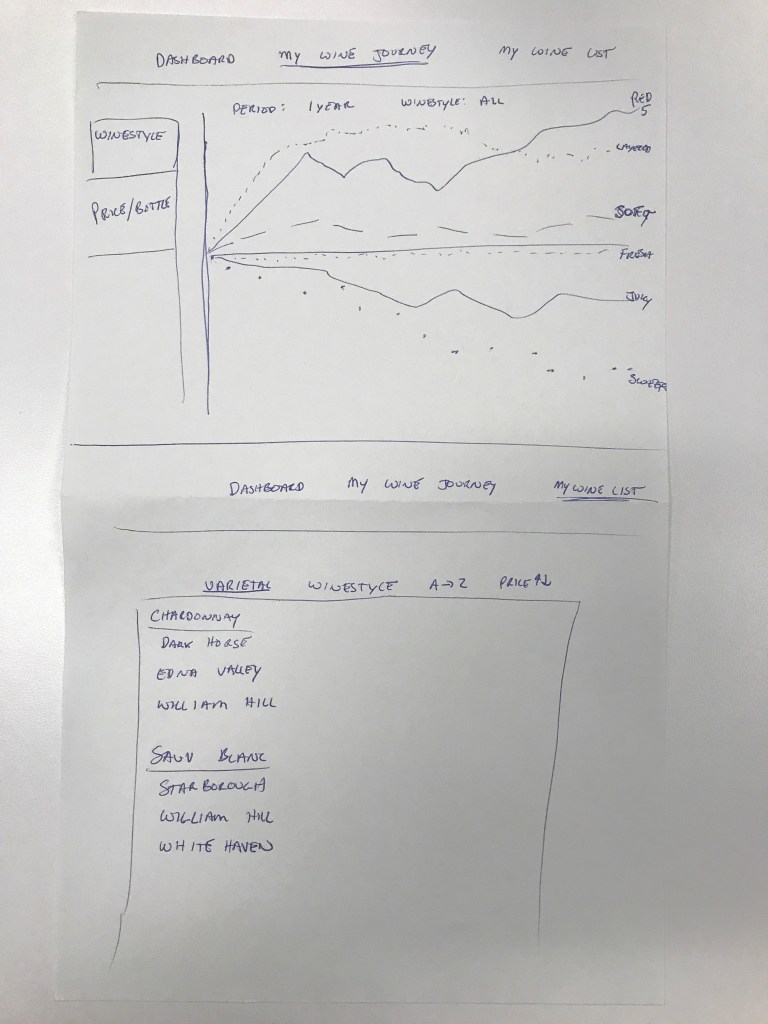
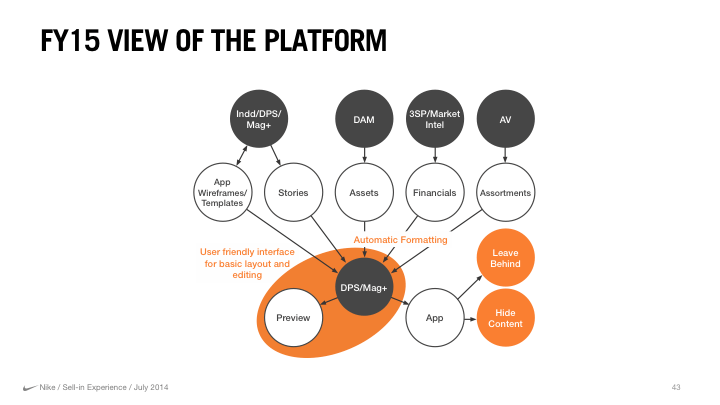
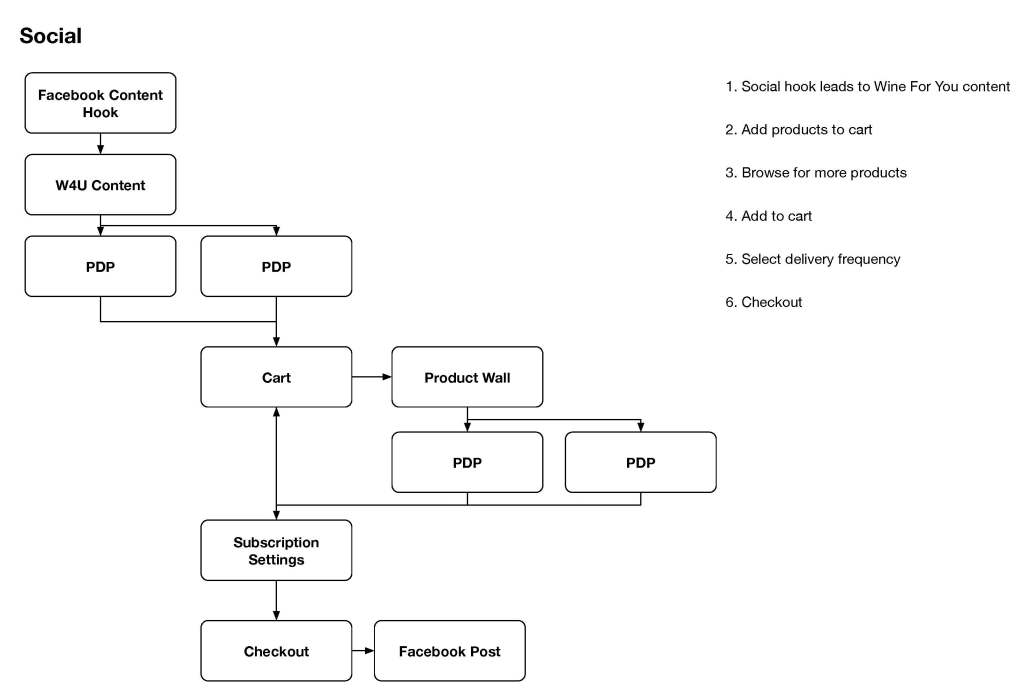
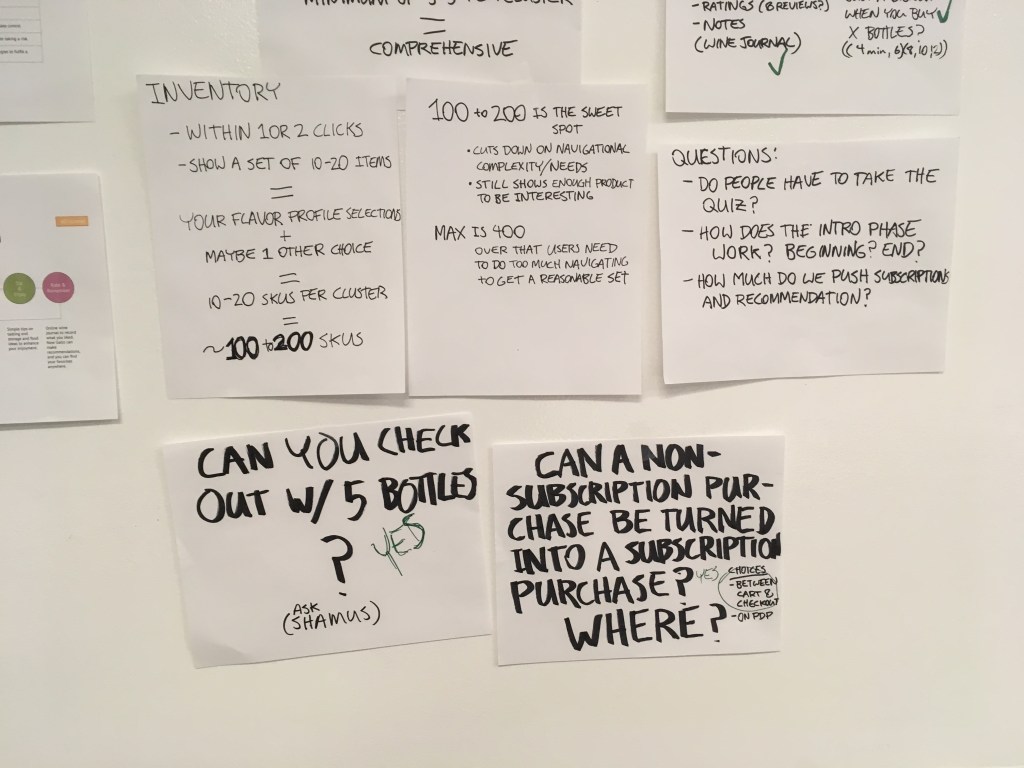
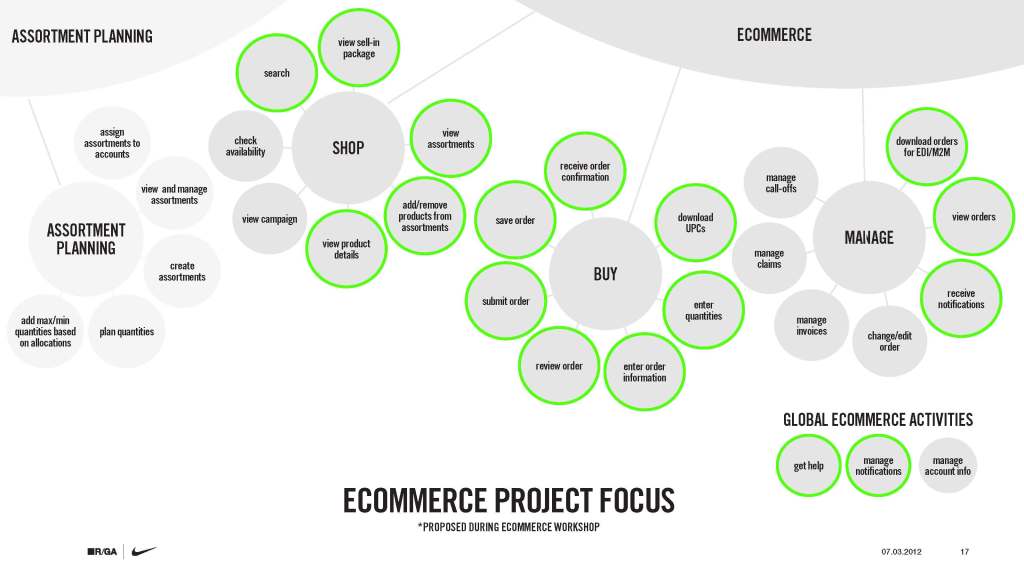
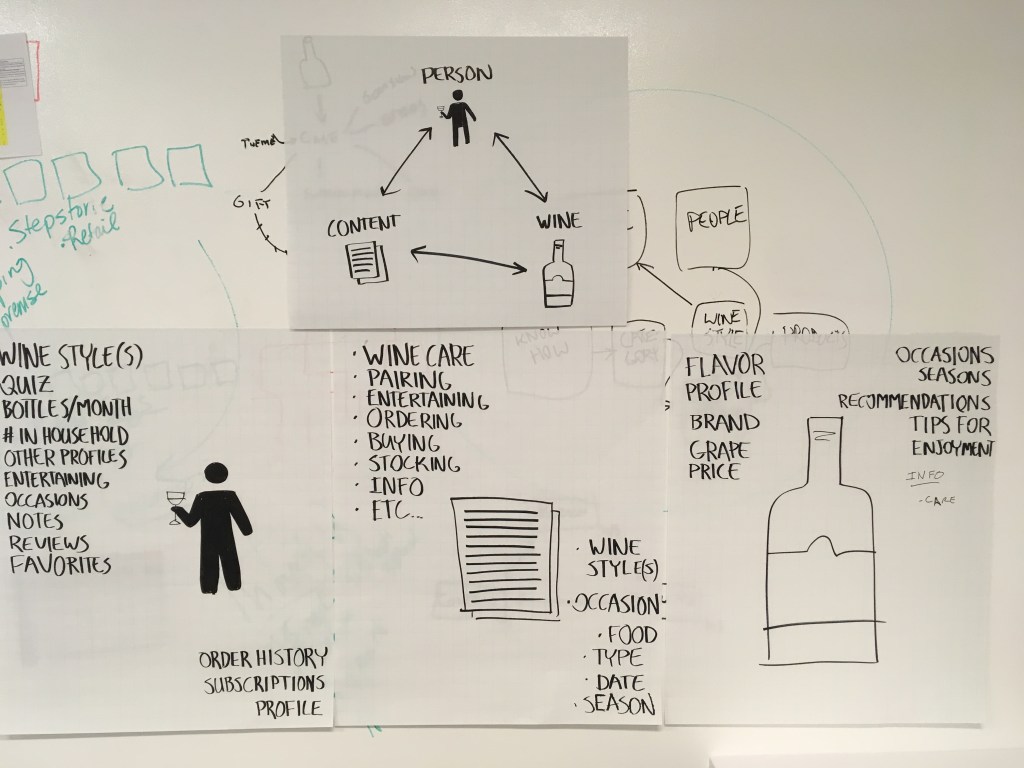
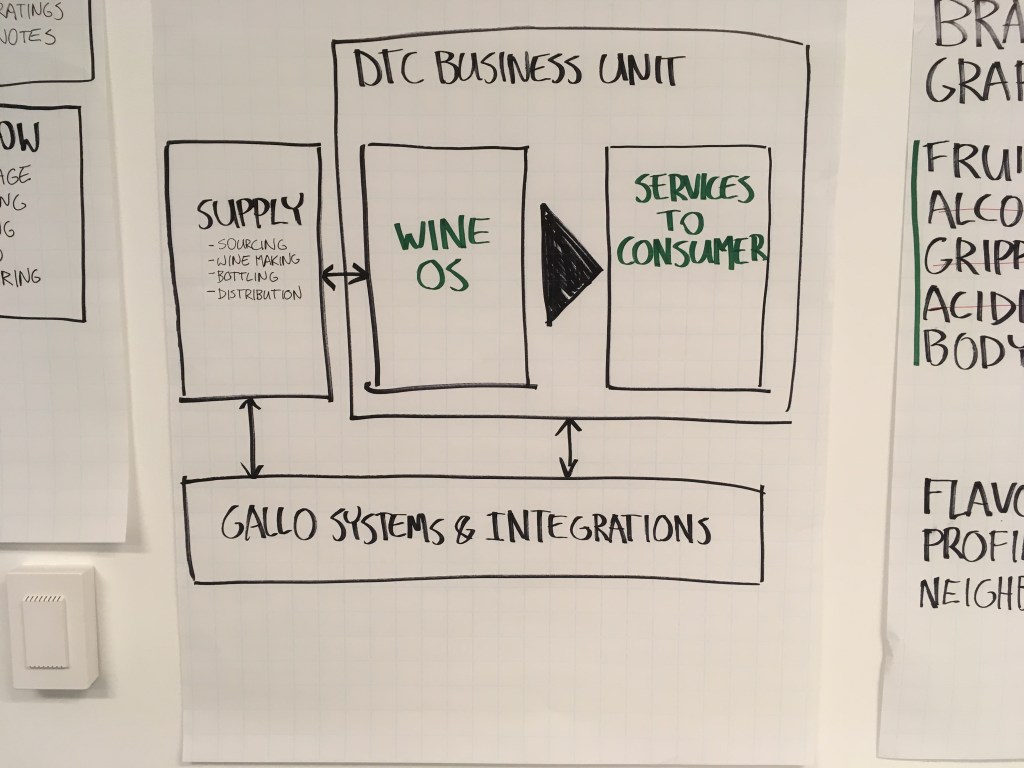
I create visual maps of user journeys and business processes to uncover what teams think they know versus what’s actually happening. These maps turn hidden assumptions into clear discussions that everyone can participate in. By systematically looking at how users behave and how business processes work, teams can move beyond standard solutions to build something that truly stands out—whether that’s collaboration software for global teams or ecommerce platforms that serve different markets around the world.



Testing & Validation
Testing ensures that what we build actually works for the people who need to use it. I design and run different types of validation—from face-to-face interviews and focus groups to surveys, usability testing, and casual user conversations. Whether I’m using professional testing labs, online tools like UserTesting, or simple in-house methods, I choose the right approach for each project and make sure user feedback stays central to the design process. This is especially important when building complex business tools or products that must meet strict regulatory requirements.
My work always ties what users need to real business results. I set clear goals, document how things should work, define specific features and requirements, and establish ways to measure success—ensuring that design decisions actually drive meaningful business outcomes, even in complex environments with multiple stakeholders.
 Ben Oderwald